How Much Protein Do You Need? | ONIT
How Much Protein Do You Need?
Protein is essential for repairing muscle, supporting recovery and helping you get more from your training. But how much protein do you actually need—and do you need a protein shake to reach your goal?
For most people training regularly, the answer is simpler than it sounds. Your ideal protein intake depends on your body weight, activity level, training goal and overall health. This guide from ONIT Gym Epping gives you a practical starting point.
Why protein matters when you train
Strength training creates a stimulus for your body to adapt. Protein supplies the amino acids used to repair and build muscle tissue after training. Eating enough protein can also help you:
- maintain muscle while losing body fat;
- feel fuller between meals;
- recover between gym sessions; and
- support healthy muscles as you get older.
Protein works best alongside a well-designed training program, enough total food, quality sleep and consistent recovery. Simply eating more protein without training will not produce the same result.
How much protein should you eat per day?
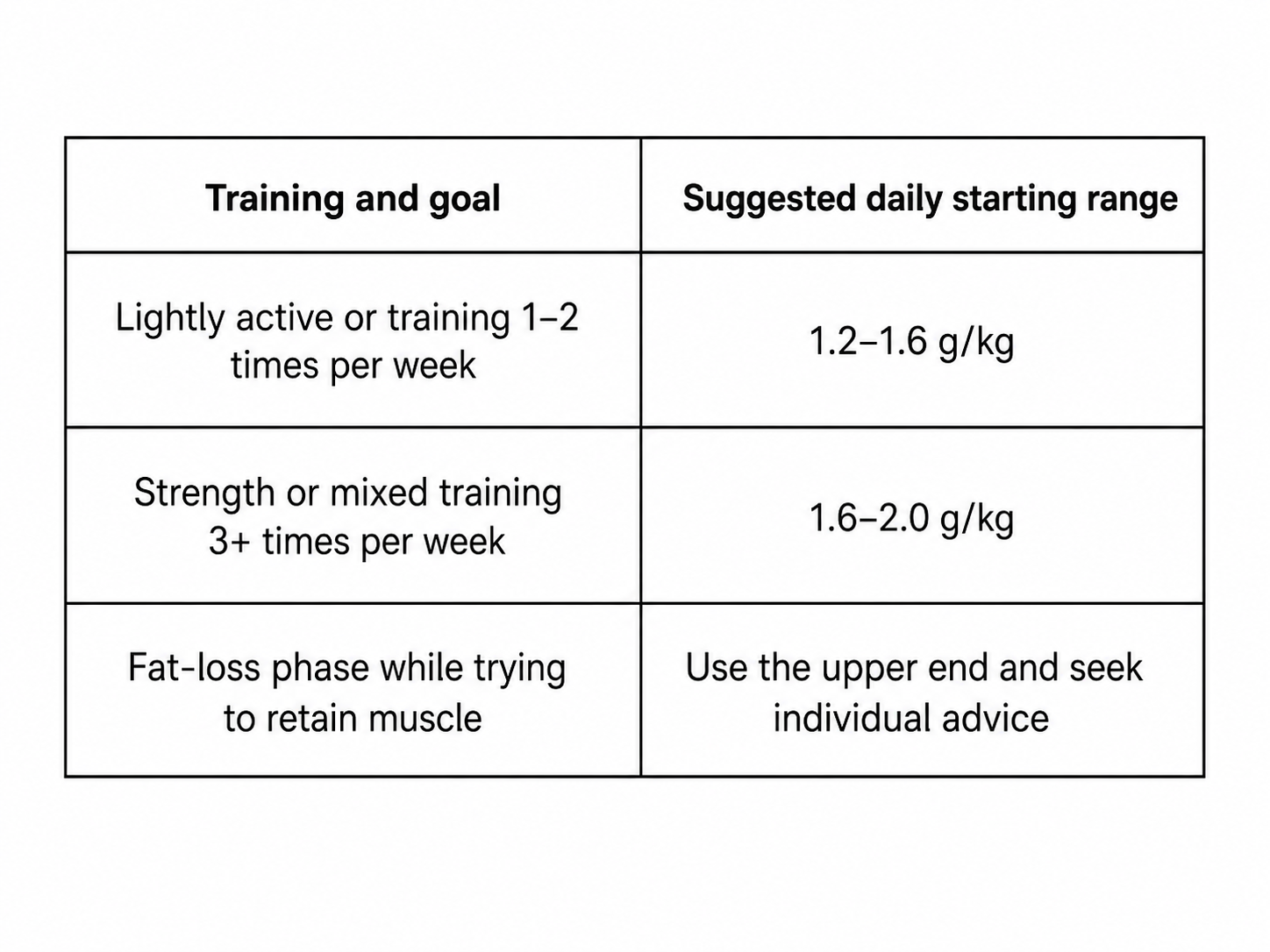
For healthy adults who exercise, research commonly recommends around 1.4–2.0 grams of protein per kilogram of body weight per day. The Australian Institute of Sport notes that higher intakes may be useful for athletes undertaking weight-loss programs, but individual needs vary.
Here is a simple starting guide:
How to spread protein across the day
Example for an 80 kg person
- At 1.6 g/kg: 80 × 1.6 = 128 g of protein per day
- At 1.8 g/kg: 80 × 1.8 = 144 g of protein per day
- At 2.0 g/kg: 80 × 2.0 = 160 g of protein per day
You do not need to hit an exact number every day. Choose a realistic target within your range and focus on being consistent across the week.
How to spread protein across the day
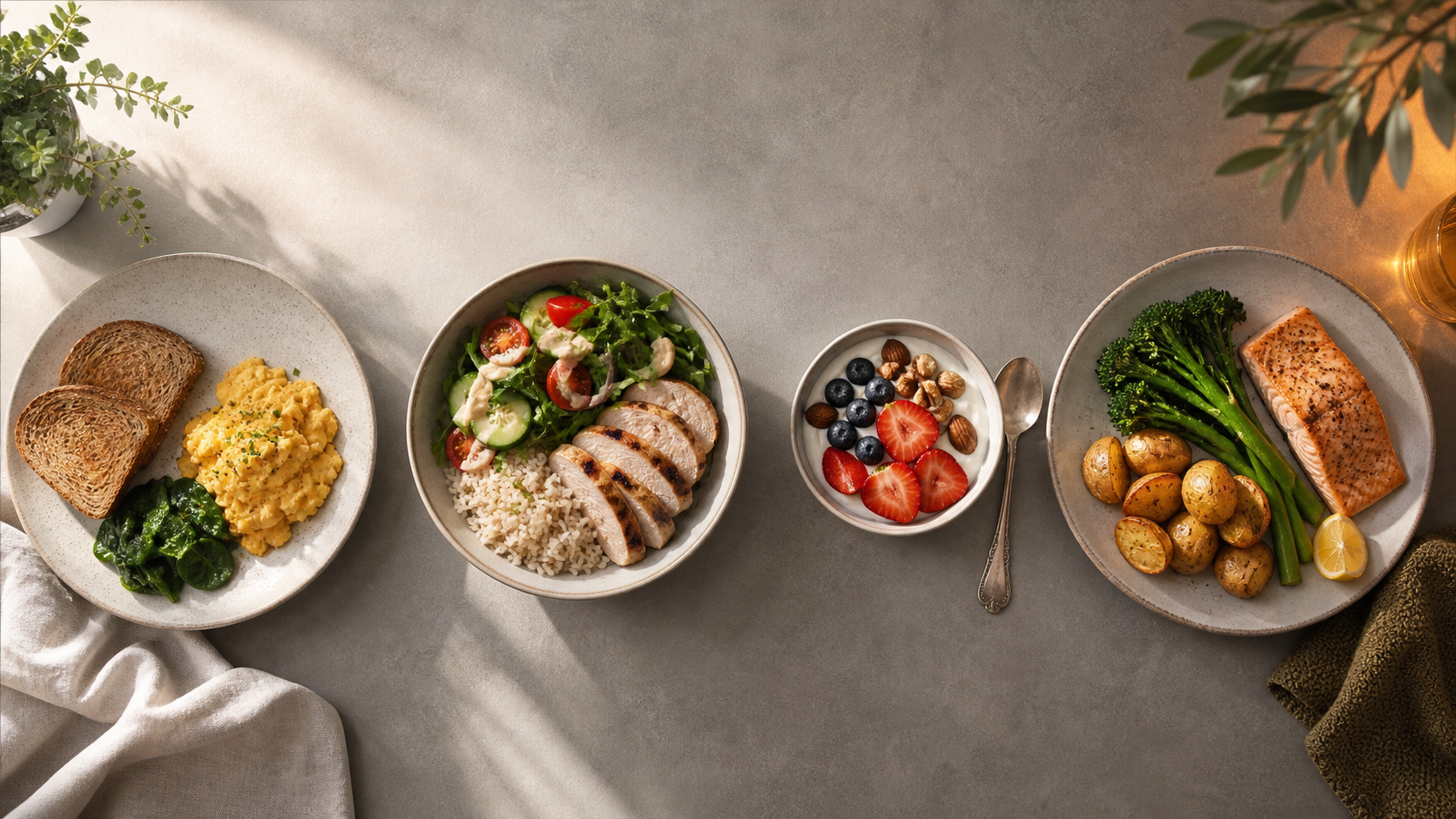
Rather than saving most of your protein for dinner, spread it across three to five meals or snacks. For many people, aiming for roughly 25–40 g at each main meal is a practical approach.
A simple day might look like:
- Breakfast: Greek yoghurt, milk, eggs or a high-protein smoothie
- Lunch: Chicken, tuna, lean beef, tofu or legumes with salad and rice
- Snack: Cottage cheese, yoghurt, edamame or a protein shake
- Dinner: Fish, lean meat, tempeh, tofu or beans with vegetables and carbohydrates
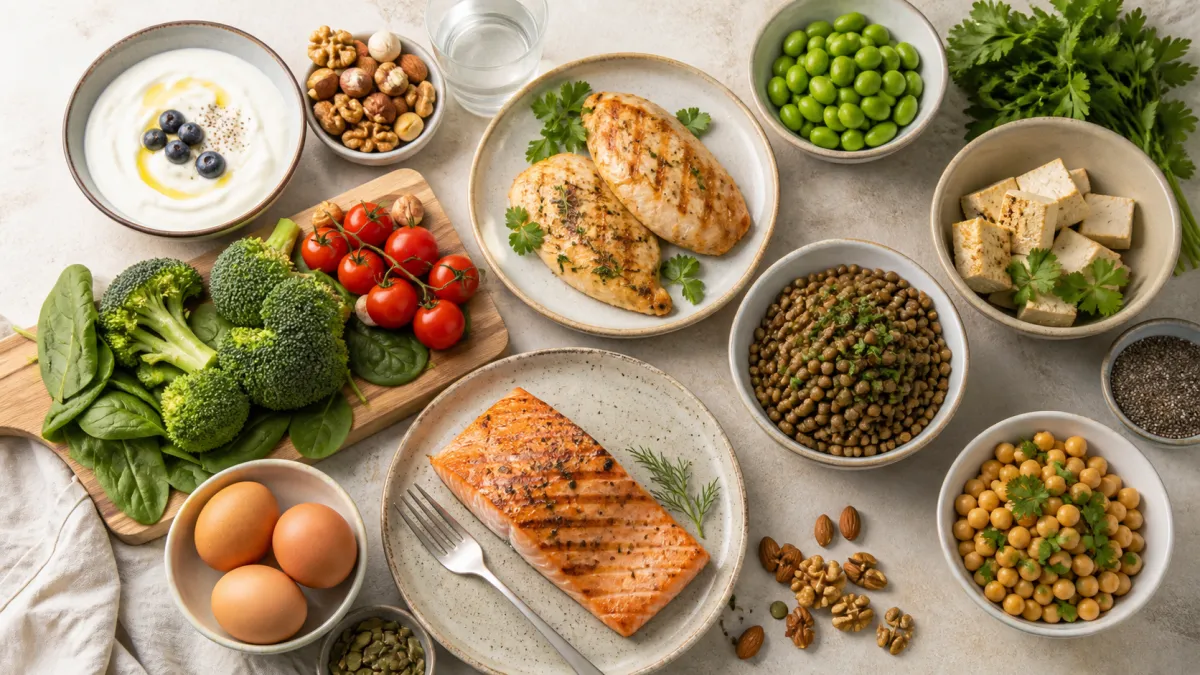
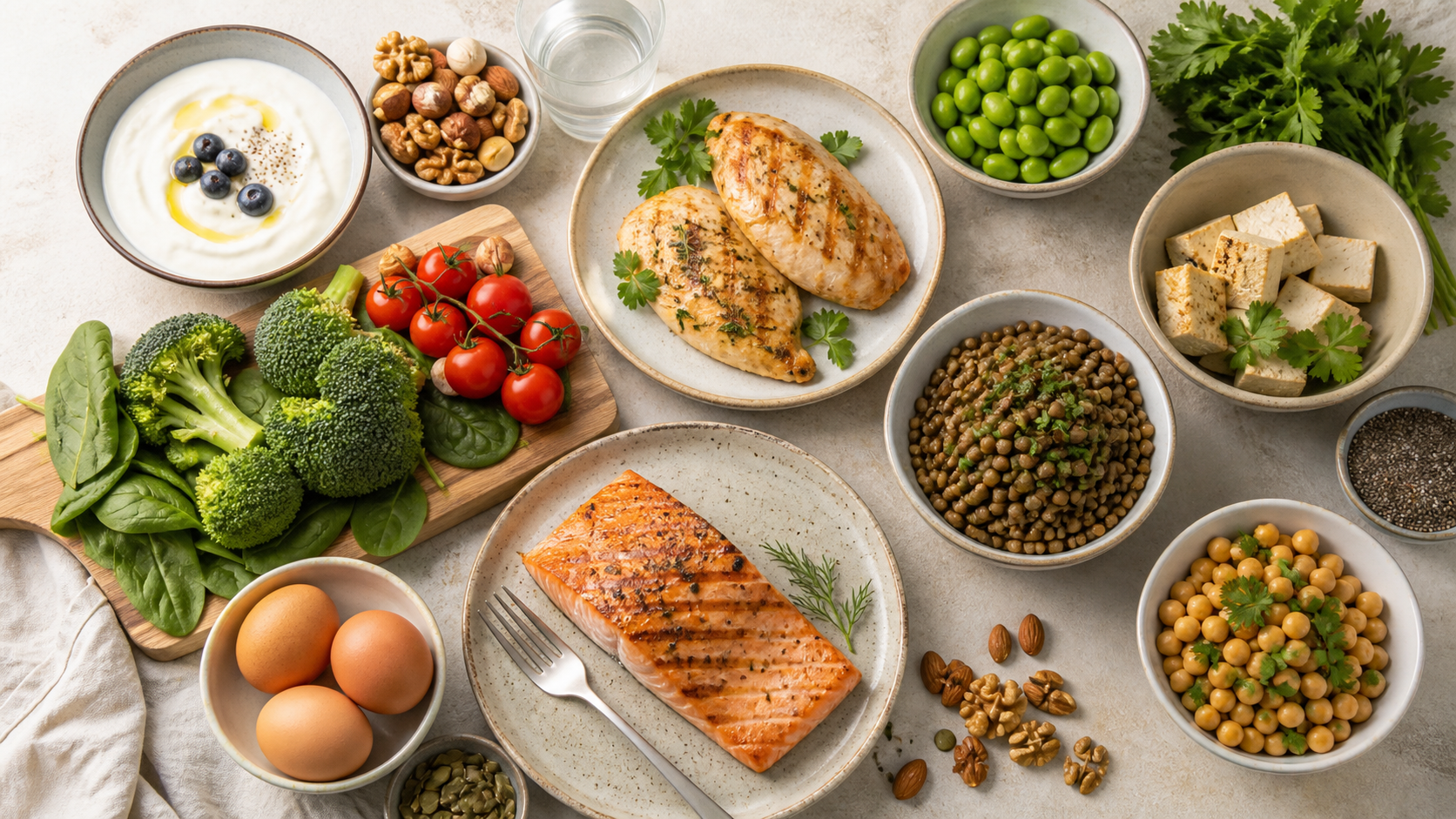
The best plan is the one that suits your schedule, preferences and culture. Both animal and plant foods can contribute to your daily total. If you eat a plant-based diet, include a variety of sources such as soy foods, lentils, beans, chickpeas, peas, nuts, seeds and whole grains.
Do you need protein immediately after a workout?
You do not need to race for a shake the moment your session ends. Your total daily protein intake matters most. However, having a protein-rich meal or snack within a few hours of training is a convenient way to support recovery—especially if you have not eaten for several hours.
If you train at ONIT Gym Epping before work, that could be eggs and toast, Greek yoghurt with fruit, or a smoothie after your session. Evening trainees may simply have a balanced dinner.
Are protein shakes necessary?
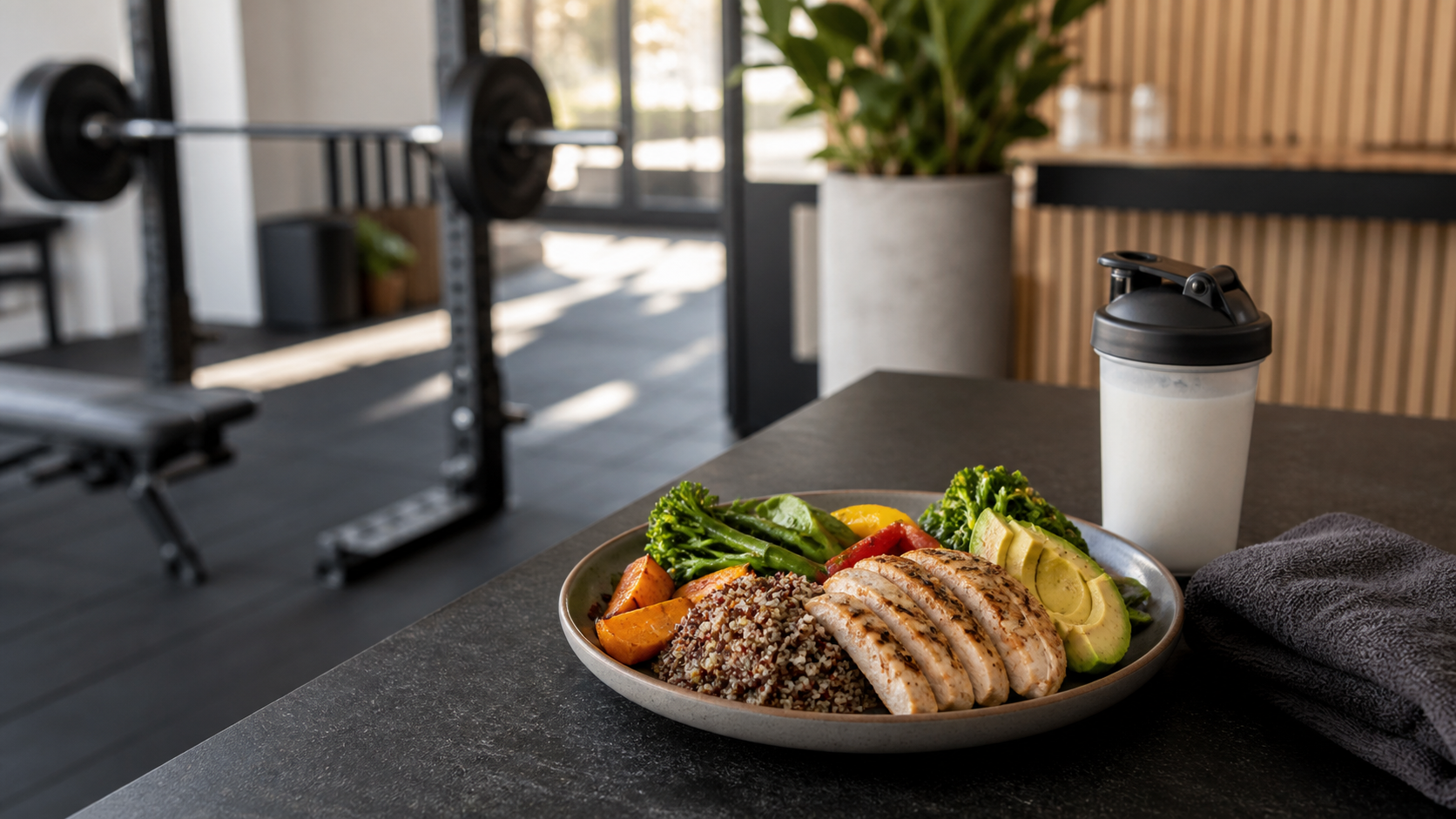
No. Protein powder is a convenient food supplement, not a requirement for building muscle. Most people can meet their needs through regular meals.
A shake may be useful when you:
- struggle to eat enough protein through food;
- need a quick option after training;
- have limited time between work and the gym; or
- want an easy snack with a predictable protein amount.
Choose a product that suits your dietary needs and remember that supplements do not replace a balanced diet. Australian athletes who compete under anti-doping rules should take extra care with supplement selection.
Common protein mistakes
1. Increasing protein but ignoring total calories
Protein can support fat loss, but calories still matter. Large shakes and snack bars can add more energy than expected.
2. Eating very little protein at breakfast and lunch
Spreading protein across the day is usually easier than trying to reach your full target at dinner.
3. Relying only on supplements
Whole foods provide vitamins, minerals, fibre and other nutrients that a scoop of powder may not.
4. Cutting carbohydrates too aggressively
Carbohydrates help fuel training. A balanced plan should support performance as well as your protein target.
5. Following someone else’s number
Your friend’s target may not suit your body weight, training load, food preferences or health needs
Turn nutrition advice into a plan you can follow
Knowing your protein target is useful, but consistency is what changes results. At ONIT Gym Epping, our coaches help members build a realistic training routine, monitor progress and make sustainable habits part of everyday life.
If you are unsure how your training should match your muscle-gain, strength or fat-loss goal, book a Free No Sweat Intro with an ONIT personal trainer. Visit us at Shop 2, 47 Ryde Street, Epping NSW 2121 and let’s map out your next step.
Frequently asked questions
How much protein should I eat to build muscle?
For most healthy people who train, 1.6–2.0 g/kg per day is a useful starting range. Your training quality, total energy intake, sleep and consistency also affect muscle growth.
Can I eat too much protein?
More is not always better. Very high protein intake may displace fibre, carbohydrates, healthy fats and other important nutrients. If you have kidney disease, are pregnant, take medication or have another medical condition, speak with your GP or an Accredited Practising Dietitian before making a major dietary change.
What is the best protein for after a workout?
There is no single best option. Eggs, dairy, fish, lean meat, soy foods, legumes and protein powder can all help. Choose something you tolerate, enjoy and can eat consistently.
Can an ONIT Gym Epping coach create a meal plan for me?
Our coaches can help you build consistent training and general healthy habits within their professional scope. For personalised nutrition therapy or a prescribed meal plan, consult an Accredited Practising Dietitian.
Evidence note: General intake ranges in this article are informed by the [Australian Institute of Sport protein supplement guidance](https://www.ais.gov.au/__data/assets/pdf_file/0003/1000488/Sport-supplement-fact-sheets-Isolated-protein-supplement-v3.pdf) and the [International Society of Sports Nutrition position stand on protein and exercise](https://pubmed.ncbi.nlm.nih.gov/28642676/).
Health disclaimer: This article provides general information only and is not medical or personalised dietary advice. Individual requirements vary. Consult an Accredited Practising Dietitian or medical professional for advice specific to you.