Strength Training Over 50: A Beginner’s Guide | ONIT GYM
Strength Training Over 50: A Safe Beginner’s Guide
Starting strength training after 50 can feel unfamiliar, especially if your last gym visit was years ago. You may want stronger legs for stairs, more confidence carrying shopping, or the energy to keep enjoying an active life.
You do not need to arrive already strong. A useful starting point is a manageable routine, exercises suited to your current ability and support when you need it.
This guide explains how to approach strength training over 50, what an introductory session might include and how to build a routine without rushing.
Why strength training matters after 50
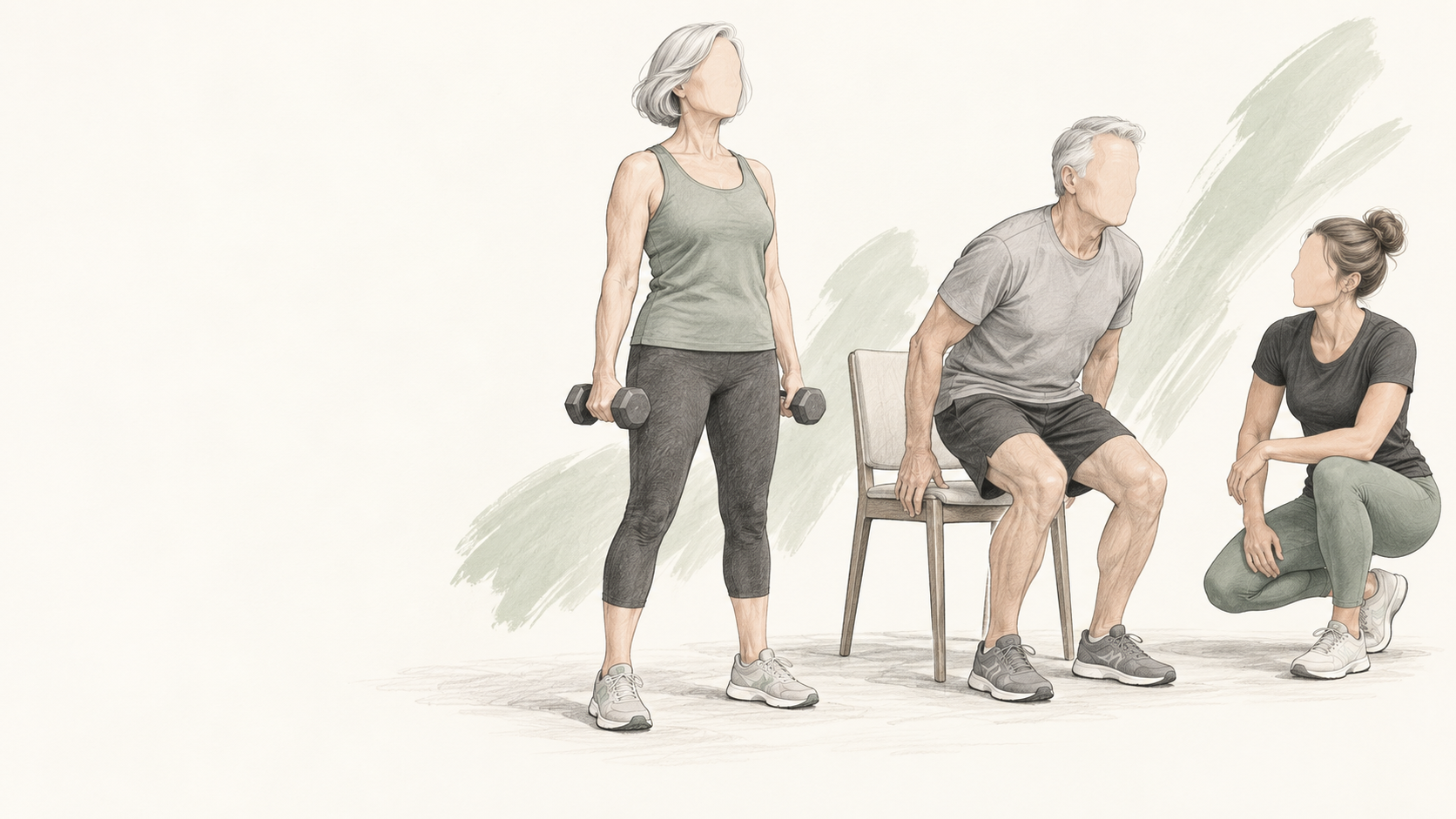
Strength training means working your muscles against resistance, using body weight, bands, machines or weights.
Research supports its role in improving strength and aspects of everyday physical function in older adults. A Cochrane review of 121 trials involving 6,700 participants found improvements in strength and tasks such as getting out of a chair. The studies varied, and adverse events were not consistently recorded, so the findings do not mean every programme is suitable for everyone.
Think about what stronger movement would make possible for you: climbing steps, gardening, lifting a suitcase or getting up from a low seat. These can be useful goals alongside the weights you lift.
Your birthday alone does not determine your starting programme. Training experience, symptoms, health conditions and confidence all matter.
Start with your current health and ability
Tell your coach about injuries, ongoing pain, recent surgery, medical conditions and any advice you have received from your healthcare team.
If you have osteoporosis, a recent fracture, repeated falls or a condition affecting exercise tolerance, seek individual guidance from your GP, physiotherapist or accredited exercise physiologist before following a general routine. The right exercise selection may differ from the examples below.
Stop exercising if you develop chest pain, dizziness, unusual breathlessness or persistent joint pain. Severe chest pain or severe shortness of breath requires urgent help: call 000.
“Safe” training is a process of choosing, observing and adjusting; no exercise plan can promise zero risk.
How often should you train?
Australia’s current movement recommendations include muscle-strengthening activities on at least two days per week for both adults aged 18–64 and adults aged 65 and over.
For a beginner, two manageable sessions on non-consecutive days can be a practical routine to work towards. Tuesday and Friday, for example, leave recovery time between sessions. If that is initially too much, start with less and build gradually.
These are population guidelines, not a requirement to complete a full workout on your first visit. Strength sessions also sit alongside walking or other aerobic activity, daily movement and balance practice.
What could a beginner session include?
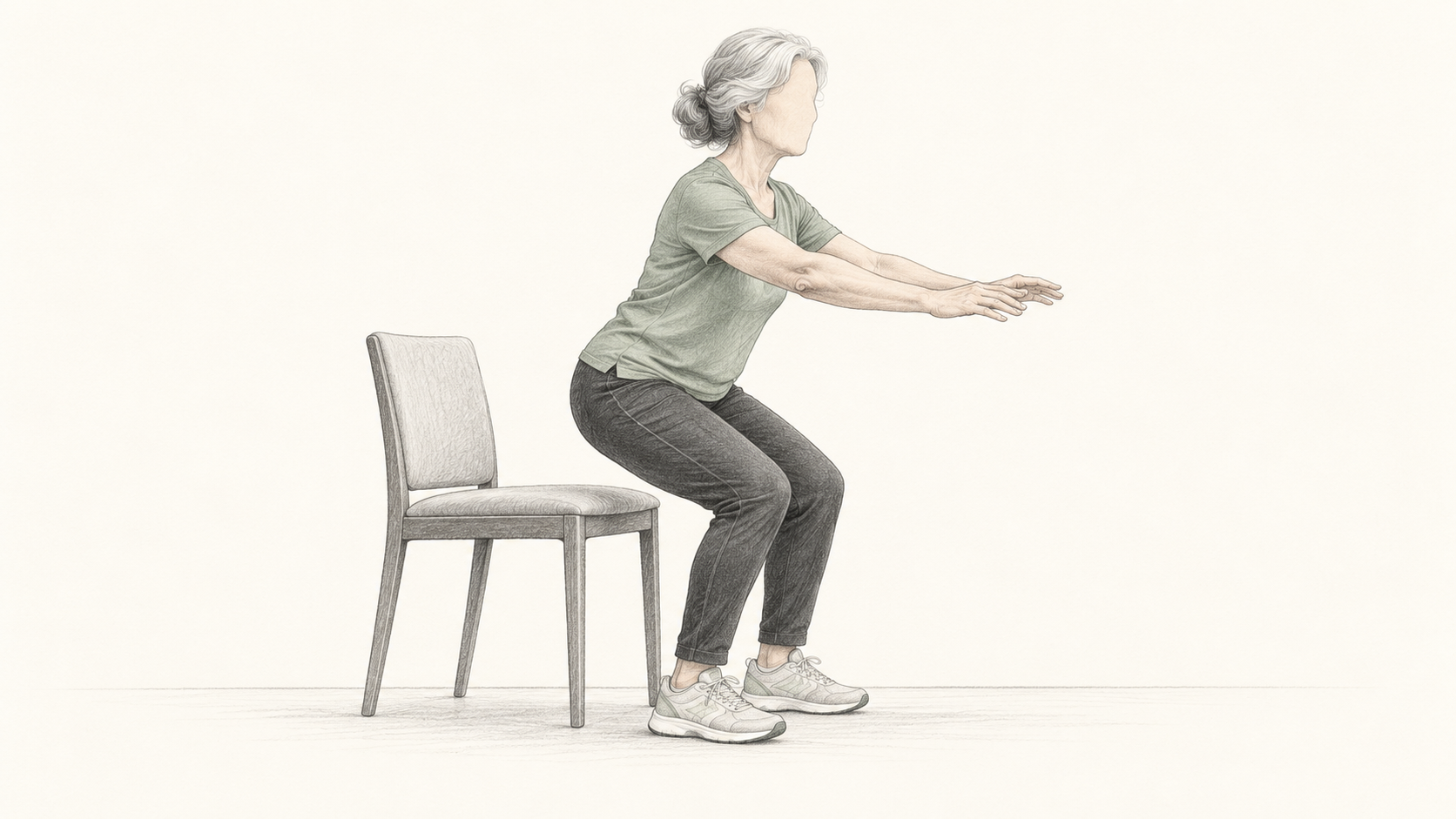
Begin with a few minutes of comfortable movement, then practise easier versions of the exercises you will use. Ask a coach to demonstrate unfamiliar equipment and check its settings.
The following is an illustrative menu to discuss with a coach, not a complete or individualised prescription. You do not need to perform every option at your first session.
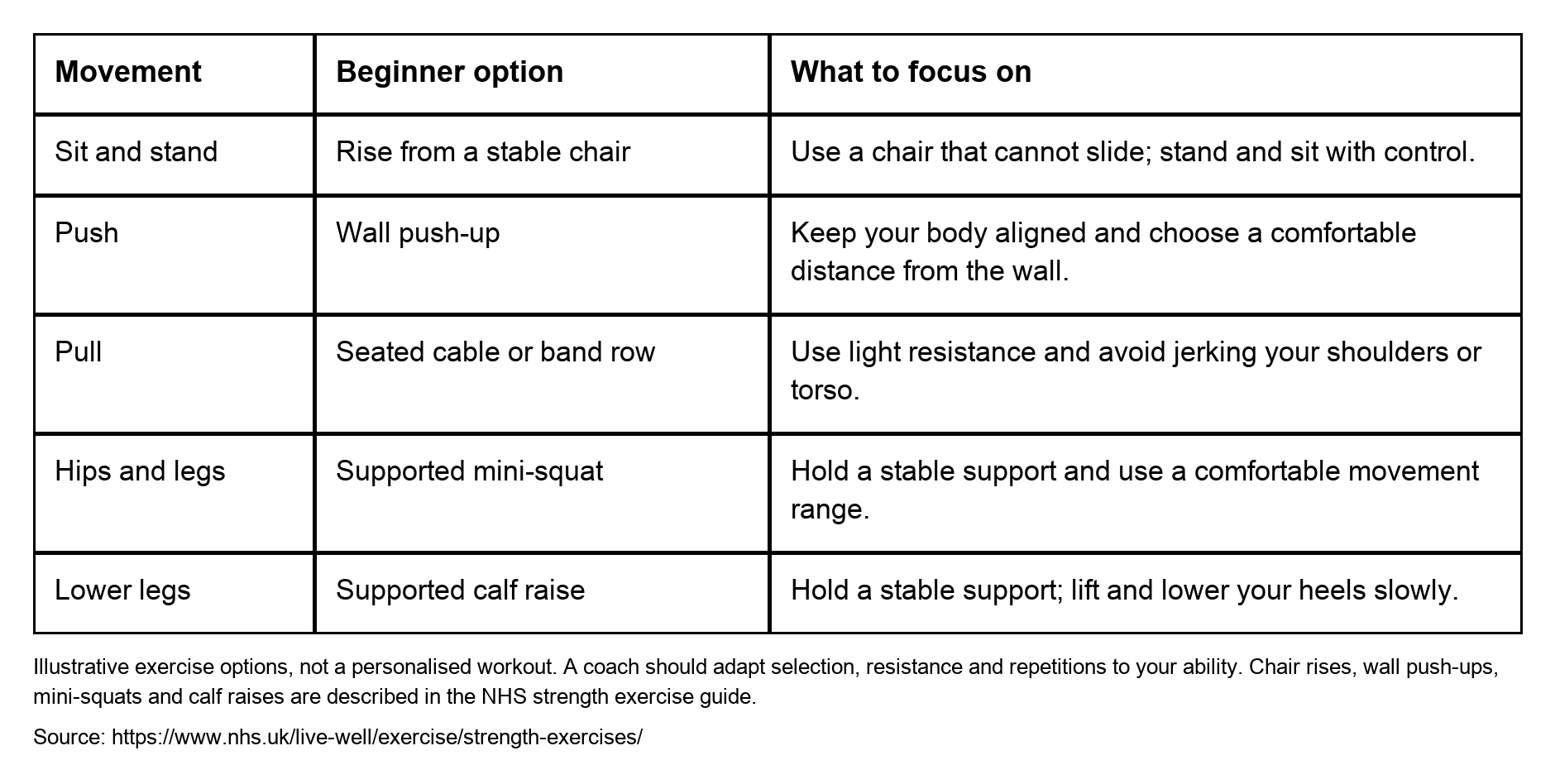
Keep the first sessions manageable
A short practice set may be enough while learning. For chair rises, even five controlled repetitions can be a reasonable introduction. Other exercises may suit a different number.
Once the movement feels familiar, your coach can build towards a repeatable working set and later add more work. An NSCA position statement on older adults supports an individualised approach, including starting with one set for beginners and progressing as appropriate.
Rest until you feel ready to repeat the movement with control. The first session should help you learn what is manageable, rather than test how exhausted you can become.
How heavy should the weights be?
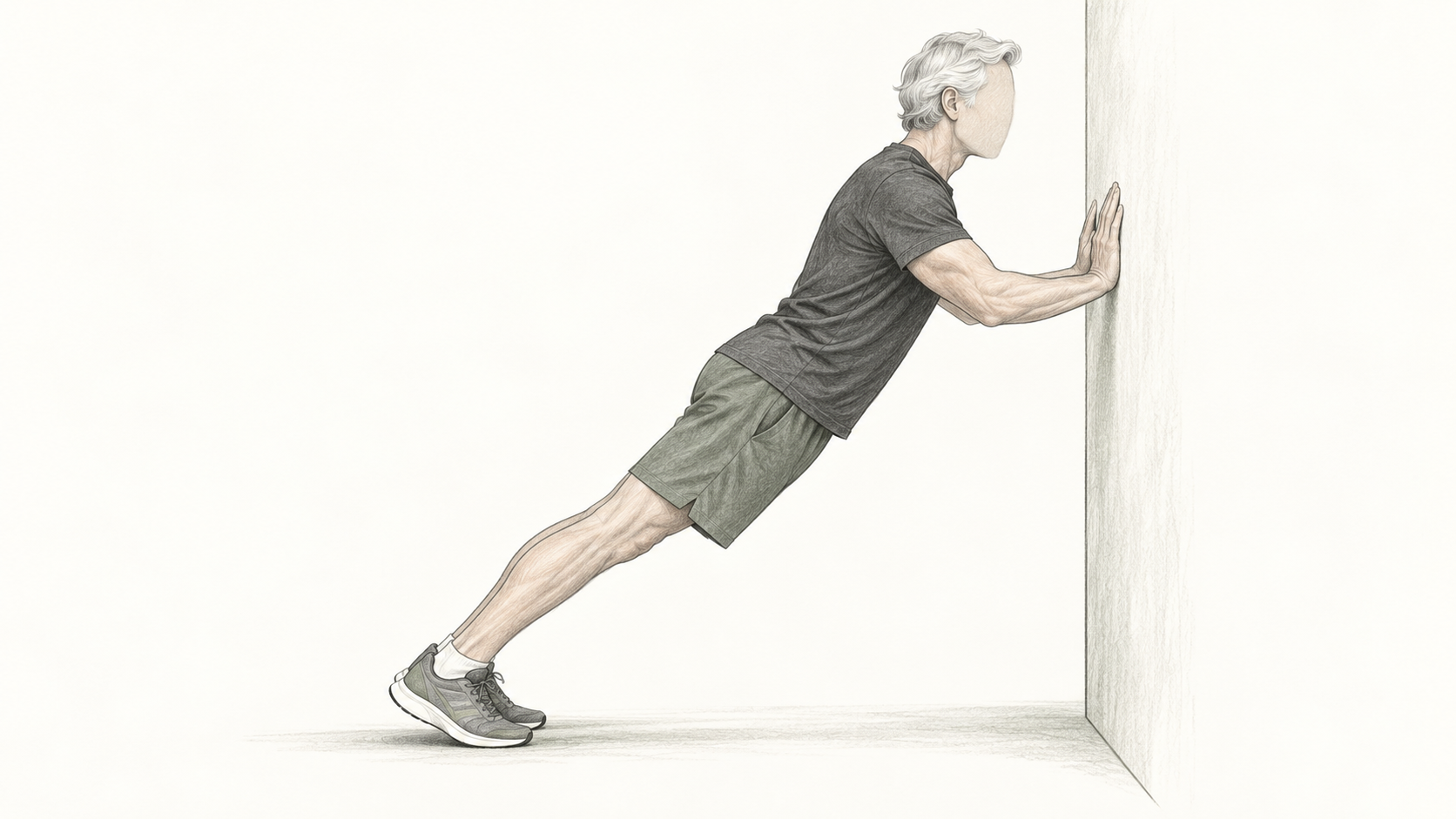
Start with resistance you can control throughout the movement. You should be able to breathe continuously and finish without twisting, swinging or rushing.
As you become familiar with training, the final repetitions can feel challenging while your technique remains steady. You do not need to push until another repetition is impossible.
ACSM’s 2026 guidance emphasises regular training, individual preferences and working the major muscle groups; training to failure is not essential for the average healthy adult. This guidance concerns healthy adults and does not replace condition-specific advice. ACSM resistance training update
A useful progression is to make one small change at a time: improve control, add a repetition within your planned range, or use a slightly higher resistance. If the increase changes how you move, step back and discuss it with your coach.
Include balance and everyday movement
Strength and balance are related, but they are not interchangeable.
Australia’s recommendations also include functional activities targeting mobility, balance and coordination on three or more days each week. For someone starting out, this may involve short, supported practice alongside normal daily movement.
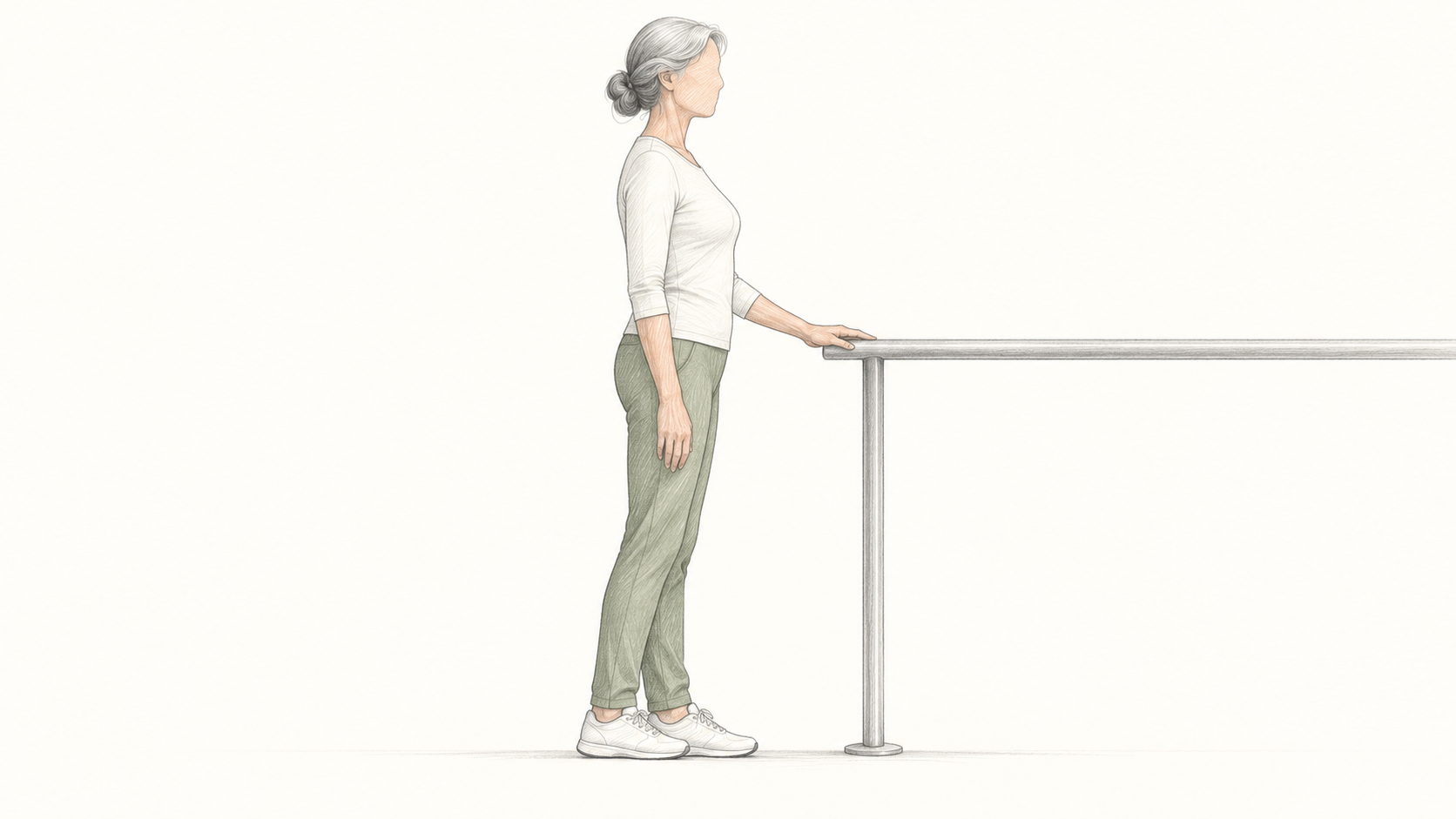
For example, a supported heel-to-toe stance may suit some people. Use a stable rail or bench within reach. If you have fallen recently or feel unsteady, arrange professional guidance instead of attempting unsupported balance challenges.
Give recovery a place in your plan
Leave around 48 hours between sessions that work the same muscles, particularly while adjusting to a new routine.
Use a simple training note: record the exercise, resistance, repetitions and how it felt. Before the next session, note whether normal walking, stairs and daily tasks feel comfortable.
If a workout leaves you struggling with everyday movement, discuss reducing the amount of work next time. Progress does not need to happen at every visit. Repeating a manageable session can help you build confidence and consistency.
Frequently asked questions
Is 50 too late to start strength training?
No. Research in older adults shows that strength and physical function can improve with progressive resistance training. Start from your current ability and seek support appropriate to your health.
Do I need heavy barbells?
No. Body weight, bands, machines and dumbbells can all provide resistance. The useful choice is equipment you can use confidently and progressively, rather than one particular tool.
Can I train if I have arthritis or osteoporosis?
These conditions do not automatically rule out exercise, but they can change what is appropriate. Ask your treating clinician or a suitably qualified exercise professional to help adapt your plan, especially with pain, recent fractures or a history of falls.
How soon will I notice progress?
There is no reliable deadline for an individual. Early progress might be a smoother chair rise, more confidence with equipment or a routine you can maintain. Review your training record with your coach rather than judging success by soreness.
Starting strength training in Epping
If you are looking for a gym for over 50s in Epping, ask how coaching will be adapted to your experience, goals and any relevant health concerns.
ONIT offers personal training and semi-private training. Its beginner guidance recommends personal training to establish a foundation before progressing into group classes.
A Free No Sweat Intro is a consultation where you can discuss your goals and starting options; no workout is required. Explore ONIT’s training options and Free Intro.
Evidence: Research supports progressive resistance training for improving strength in older adults, with some benefits for physical function. Current Australian guidelines recommend regular strength and functional activity. The sample exercises above are practical illustrations, not a tested ONIT programme or a guarantee of outcomes. Evidence from adults aged 65 and over should not be treated as a precise prediction for every person in their 50s.
Health disclaimer: This article provides general education, not medical advice or an individual exercise prescription. Exercise selection and progression should reflect your health, ability and professional advice.
Scientific sources and references
Liu CJ, Latham NK (2009).Progressive resistance strength training for improving physical function in older adults. Cochrane Database of Systematic Reviews, CD002759. A large review supporting strength and functional benefits, with limitations in adverse-event reporting.
Australian Government Department of Health, Disability and Ageing.Recommendations for adults aged 18–64 and adults aged 65 and over. Current national movement recommendations.
NSCA (2019).Resistance Training for Older Adults: Position Statement. Guidance on individualised prescription and progression.
ACSM (2026).Updated resistance training guidance. Current healthy-adult recommendations and practical programming principles.
NHS.Strength exercises. Practical descriptions of introductory movements.
Healthdirect Australia.Physical activity guidelines for older people. Recovery, safety and referral guidance.